Intermediate quiz (quite tough) about the geography, history, traditions and language of China (5)
1. Why is the Yellow River so called?
named after the Yellow Emperor
carries yellow mud
yellow was the Han dynastic color
pollution with yellow dye
The Yellow River carries a heavy load of 'loess' which is yellowish calcareous clay from northern China. The Yellow River is heavily used by people along its route and on occasions it dries up before reaching the sea.
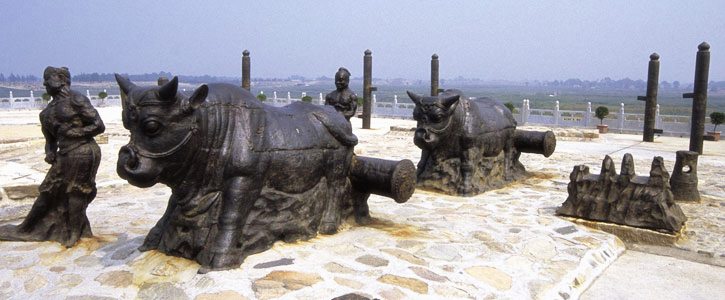
The oldest and largest ironware cultural relics protection group in the world - Kai-Yuan Tang Large Iron Oxen, located 110 m-470 m outside the west gate of the Puzhou Ancient City 15 km in the west of Yonji City, Available under a Creative Commons License ➚
2. What was the religion of the great explorer Zheng He?
Muslim
Christian
Daoist
Jewish
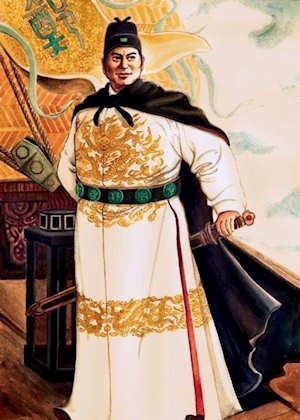
Zheng He (1371 - 1433) was a Muslim. His Muslim faith was a great aid in dealing with the mainly Arab traders he met on his travels; as this era was the zenith of Arab trade. His final journey took him as far as Mecca and Jeddah.
3. In which province is the fictional Shangrila said to be located?
Shandong
Liaoning
Guangxi
Yunnan
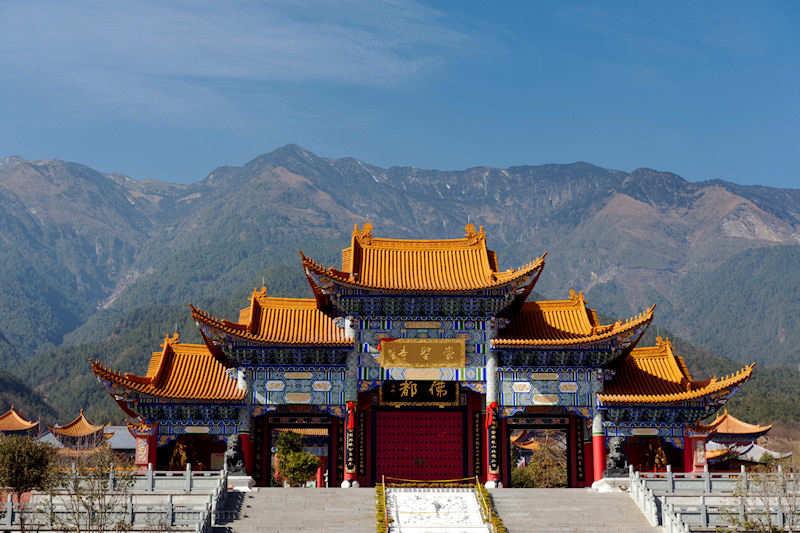
The fictional heaven on Earth of Shangrila was created by James Hilton in his book 'Lost Horizon'. There is no location that exactly matches his descriptions but Mount Kawarkapo in Yunnan is as good as any. The Chinese have renamed Zhongdian as Shangrila to cash in on the story.
4. Why is Mongolia split into Outer and Inner Mongolia?
Chinese invasion of 1875
Outer Mongolia was Genghiz Khan's home
Revolution of 1924
Russian invasion of 1918
After the Russian Communist revolution of 1917 the Russians supported revolution in Outer Mongolia and it became a separate Communist state in 1924, at this time China was a Republic.
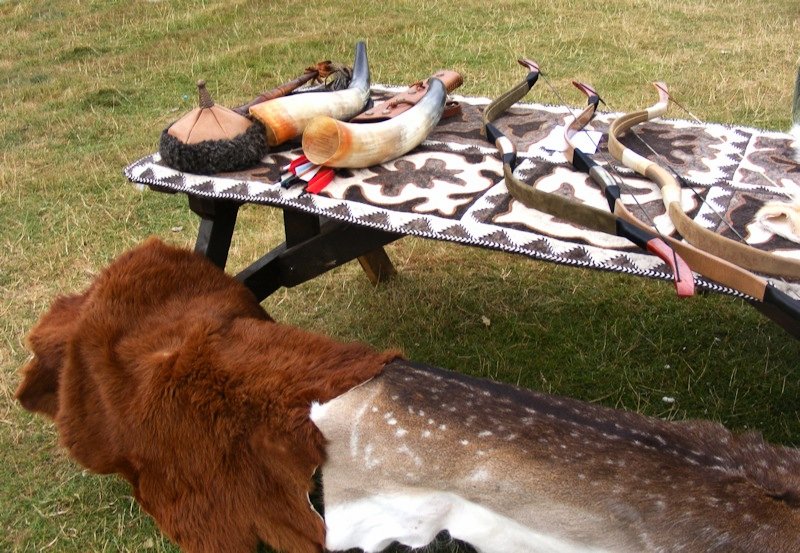
Bows and furs of Mongolia. Image by Rob Stallard
5. Which province is the coldest in summer?
Xinjiang
Beijing
Tibet
Jilin
Tibet has such a high altitude and thin atmosphere that it does not heat up much in the summer. In winter the coldest province by far in Heilongjiang.
6. A magpie in a painting symbolizes a wish for what?
children
joy
peace
romance
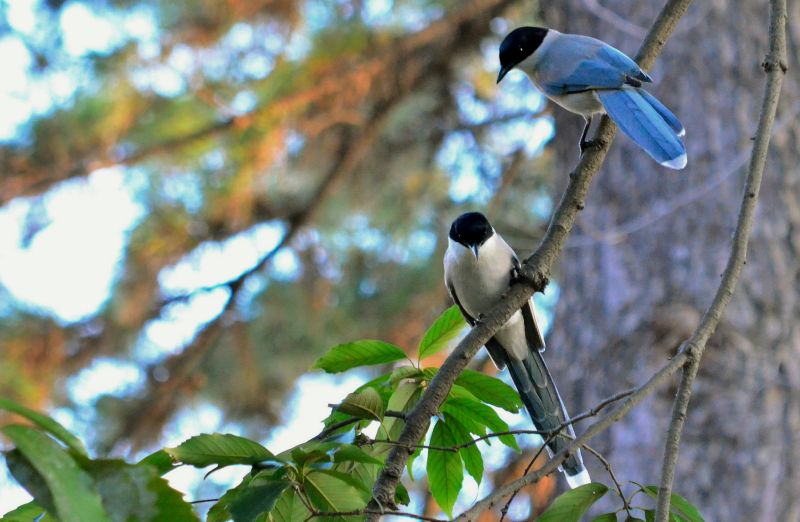
The magpie is a harbinger of joy and as such is used in paintings to wish someone joy and happiness. If a magpie happens to be heard while ruminating on an action is considered a sign that the plan is the right one.
Azure-winged Magpie Cyanopica cyanus, Fujigaoka 2 Chome, Yokohama-shi, Kanagawa Prefecture, Japan. Image by Toshihiro Gamo ➚ available under a Creative Commons License ➚
7. K2 the second highest mountain in the world is on the border of China with which country?
Pakistan
Laos
Bhutan
Russia
K2 is on the border with Pakistan. It is in the Karakoram range and like Mount Everest is directly on the border so half is in Xinjiang, China the other half in Pakistan.
8. The magnificent Huangguoshu Waterfalls can be found in which province?
Shandong
Yunnan
Guizhou
Jiangxi
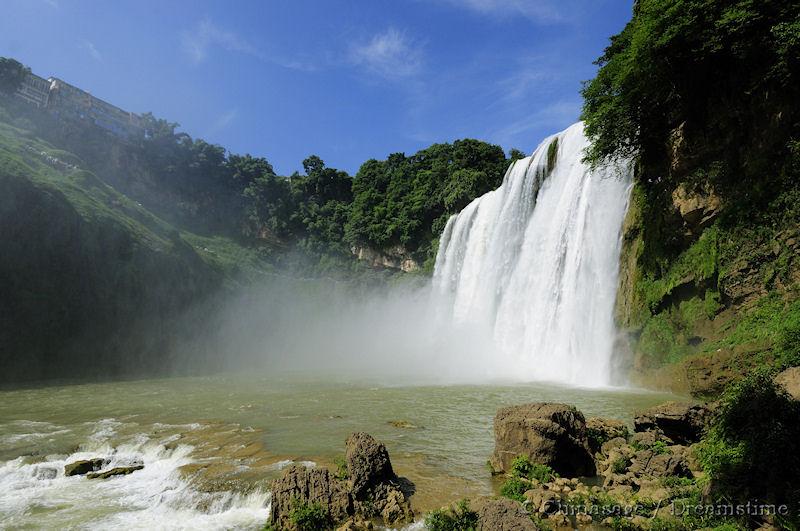
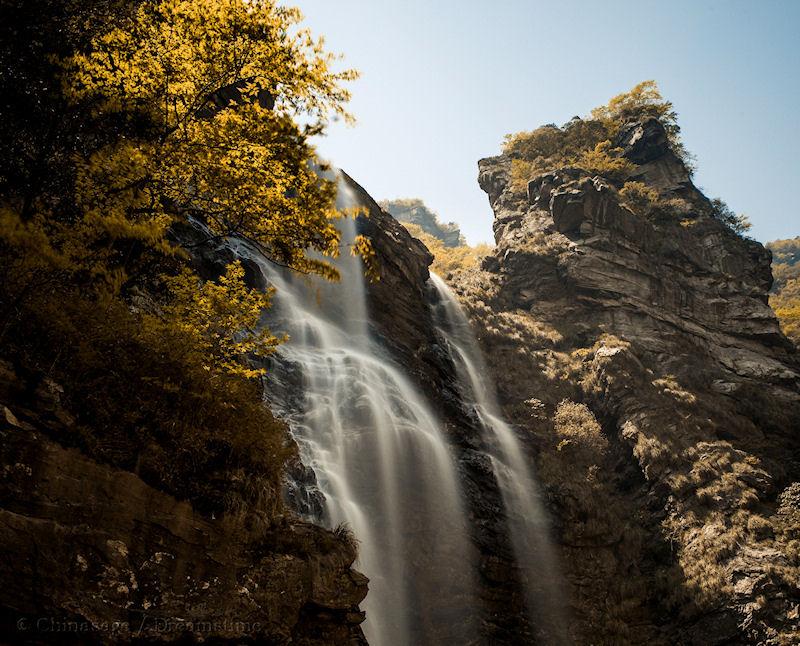
The Huangguoshu Waterfall, Guizhou is the largest in China, there are nine 'falls' of level; eight cataracts and one large waterfall. It is best to visit between May and October when the river level is high.
9. Which was China's most populous province in 2014?
Guangdong
Hunan
Sichuan
Beijing
Guangdong is top with 106.8 million closely followed by Henan with 100.4 million. See our province table for the full stats.
10. Sun Yatsen's mausoleum is close to which major city?
Nanjing
Wuhan
Chongqing
Fuzhou
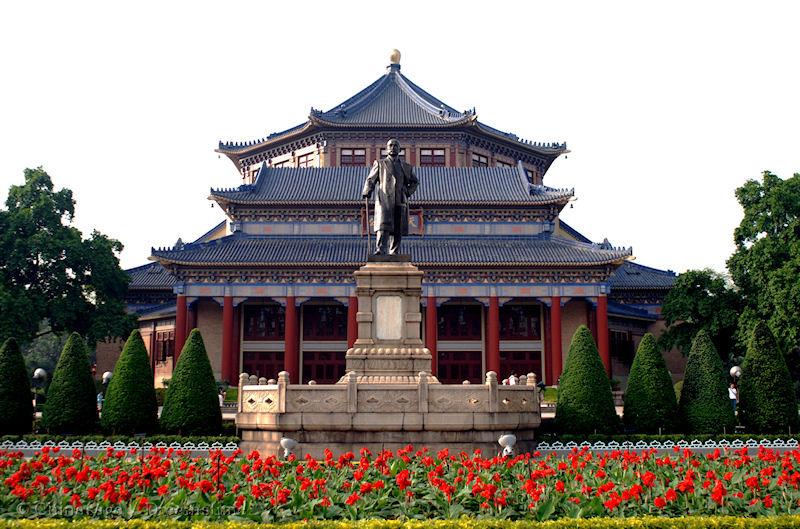
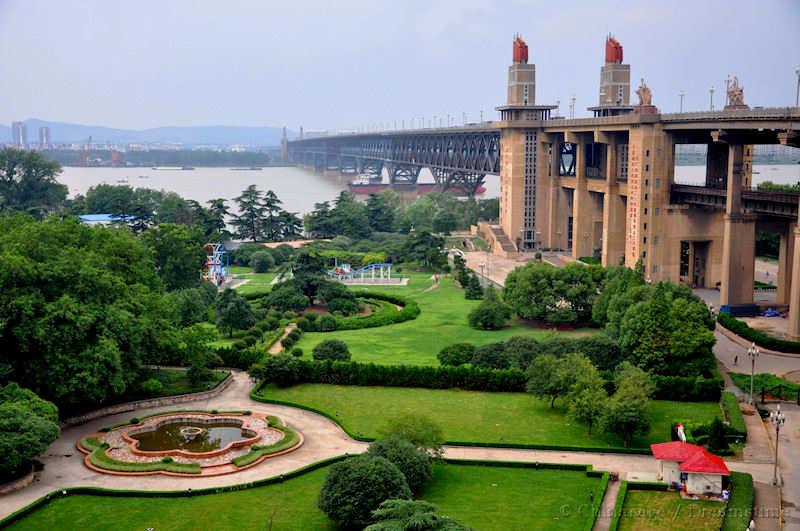
Sun Yatsen chose Nanjing as his Republican Capital of China in 1912, Beijing was still in the control of the northern warlords when he died in 1925.
11. Imperial designs represent the Emperor as a dragon, but which creature represents the Empress?
qilin
dove
peacock
phoenix
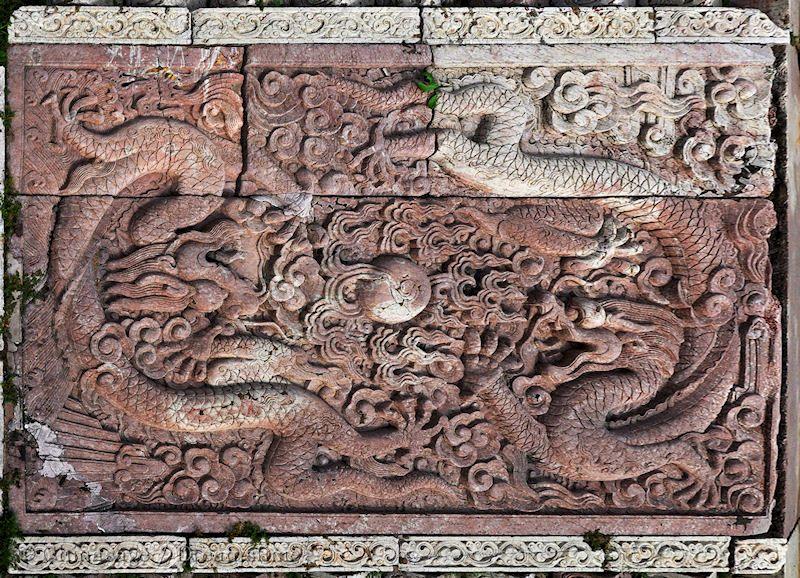
The Emperor and Empress are depicted as Dragon and Phoenix.
Two dragons fighting over the pearl of wisdom. Fuling tomb, Shenyang, Liaoning
12. In which province did the Taiping rebellion begin?
Jiangsu
Zhejiang
Jiangxi
Guangdong
Hong Xiuquan was born in Fuyuan Springs, Guangzhou and it was in the bustling city that he came across the Christian Bible and founded his rebellion there. It soon spread to neighboring Guangxi province.
Taiping rebels are chased out of Yuzhuang, March 8 1854. The Taiping arrived the previous day but had to retire the next day when the Manchus arrived in hot pursuit. From Ten scenes recording the retreat and defeat of the Taiping Northern Expeditionary Forces, February 1854-March 1855.
Source : web site ➚
Available under a Creative Commons license ➚.
13. Which is the Chinese language most frequently spoken in Zhejiang province other than Mandarin?
wu
yue (cantonese)
jin
gan
The Wu language is spoken by over 70 million people. Jiangsu, Shanghai and Zhejiang provinces are its heartland.
14. Which province is known by the shortened name 'Lu'?
Shanxi
Ningxia
Liaoning
Shandong
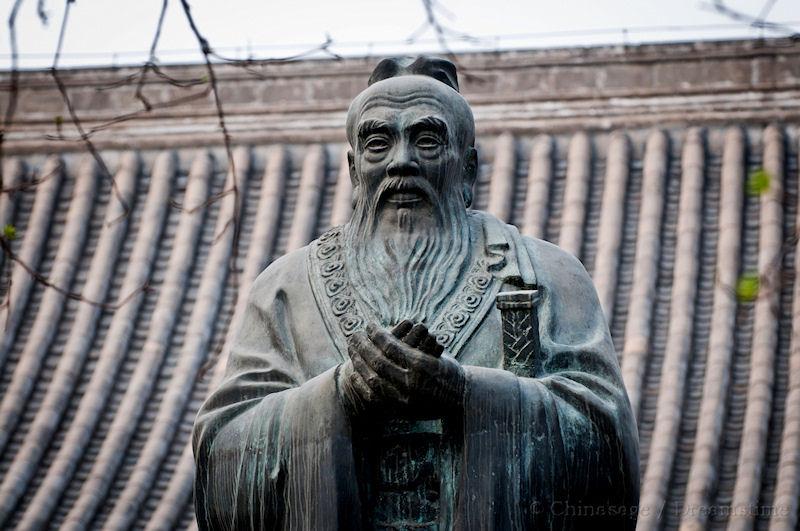
The modern province of Shandong was the center of the state of Lu way back in Zhou dynasty (1042-289BCE). The state of Lu is famous because Confucius was born and lived at Qufu the capital of the Lu kingdom.
Statue of Confucius at the Imperial Academy (Guozijian) Beijing
15. The Tiananmen Incident of 1976 occurred following the death of which leader?
Zhou Enlai
Zhu De
Lin Biao
Peng Dehuai
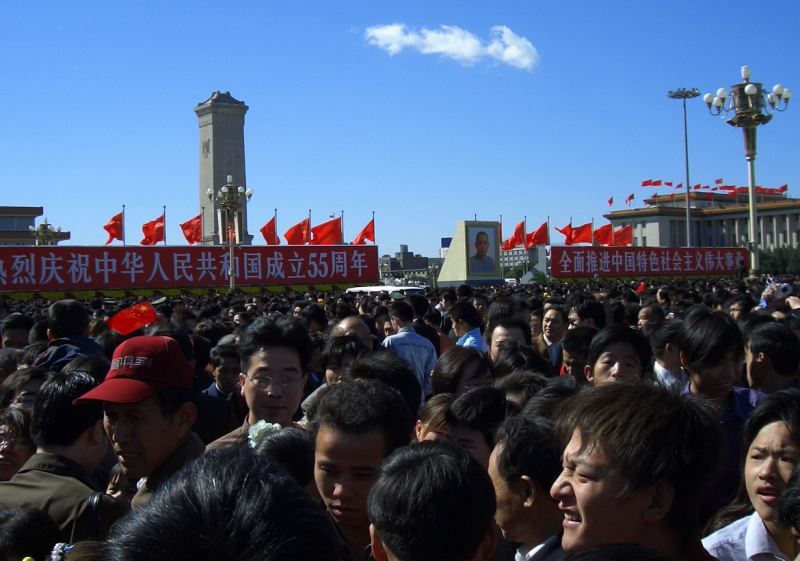
Zhou Enlai was the premier of China for much of the time since 1949. He was seen as affable and flexible rather than doggedly doctrinal. There was a mass outpouring of grief in Tiananmen Square to mark his death. The Gang of Four violently suppressed the crowds that gathered. Four thousand people were arrested.
16. Tanggu or Binhai is the port area for which major city?
Shanghai
Guangzhou
Hong Kong
Tianjin
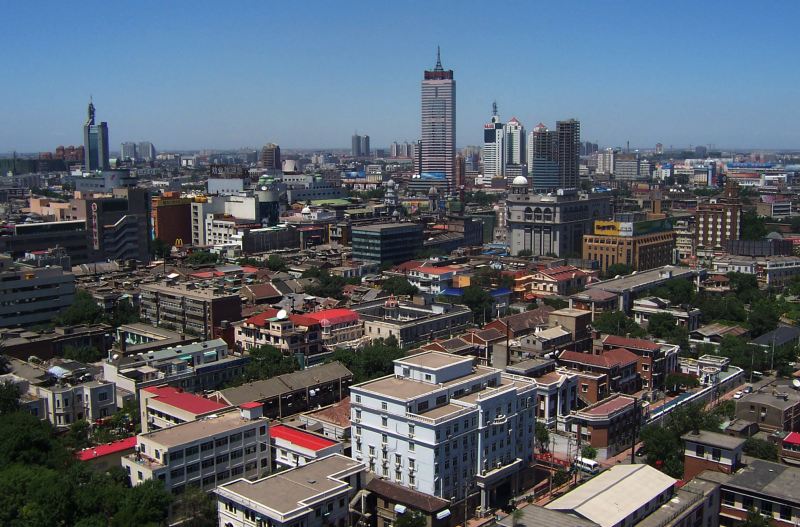
Tianjin is the port serving Beijing and much of north-eastern China.
17. The Supreme Buddha (Siddhārtha Gautama) was born in which country that neighbors China?
India
Korea
Burma
Nepal
Gautama was born into a rich household in Nepal living a life of luxury but when at the age of 29 he saw the suffering of people in the outside world he determined to renounce all worldly pleasures and founded Buddhism.
19. The Chinese nuclear test facility of Lop Nur is located in which province?
Tibet
Xinjiang
Yunnan
Inner Mongolia
Lop Nur has been used as a nuclear testing site from 1959 to1996.
20. The Jesuit missionaries most impressed the Imperial court with their knowledge of what?
painting
medicine
religion
astronomy
It was the new European methods in astronomy that really impressed the Chinese. Adam Schall and Ferdinand Verbiest in 1664 won a competition to make the most accurate prediction of a solar eclipse against the Chinese astronomers who used traditional Chinese methods.
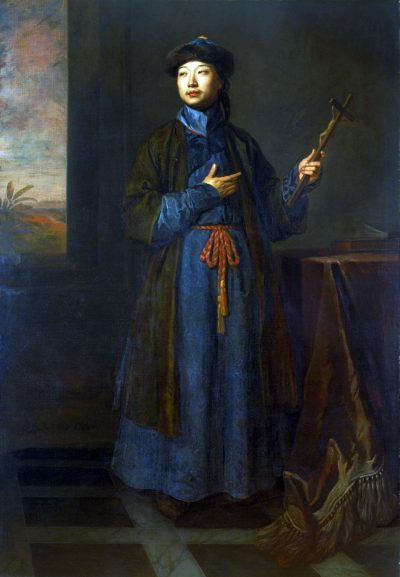
Michael Alphonsius Shen Fuzong (Fu-tsung) by Sir Godfrey Kneller. 1685. Available under a Creative Commons License ➚

 Intermediate quiz (quite tough) about the geography, history, traditions and language of China (5)