1. The US General Stilwell had his headquarters during World War II in which city?
Chongqing
Shanghai
Chengdu
Beijing
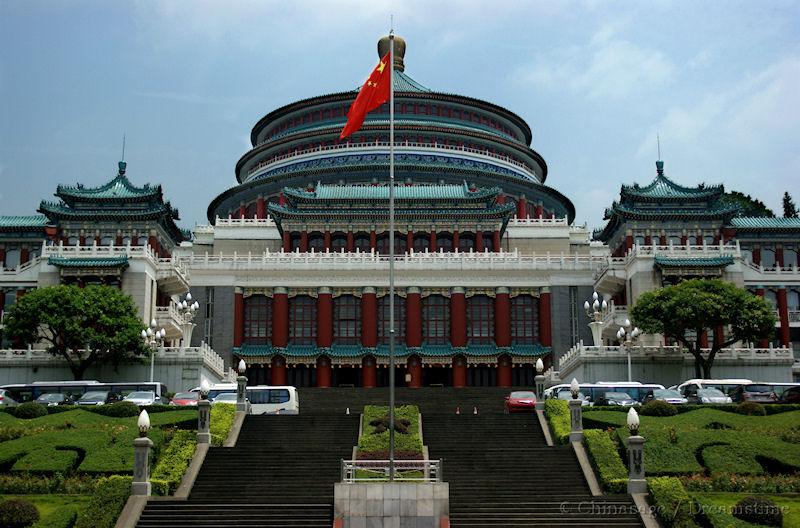
Stilwell (‘Vineger Joe’) came to China to help support Chiang Kaishek's Republican government in their resistance against the Japanese occupation of China (1937-45). The Republican capital was at Chongqing where frequent fogs protected it from Japanese air raids.
2. The Han dynasty was broken in two parts by which brief period?
Sui dynasty
Xin dynasty
Qin dynasty
Jin dynasty
Wang Mang founded the Xin dynasty in 9CE but it only lasted up to his death in 23CE and the Eastern Han resumed Han dynasty rule afterwards.
3. The Golden Orchid Society (1644-1949) in southern China was a group of what?
opera performers
Buddhists
women
musicians
The Golden Orchid Society was a group of women who refused to get married. With the universal practise of forced marriages at an early age, running away to join other women in similar straits was the only option to avoid it. At times the society were attacked and members killed.
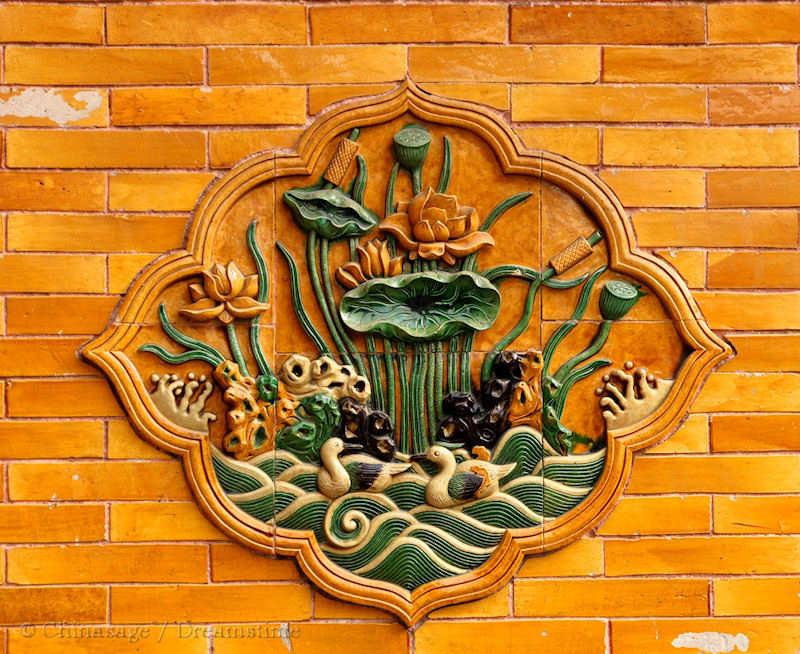
Ceramic Tile design with lotus and ducks, Forbidden City, Beijing
4. Kang Youwei is famous for what in the late Qing dynasty?
tax commissoner
engineer
senior eunuch
reformist
Kang Youwei sought to modernize the Imperial system without overthrowing it. He was a major force behind the failed Hundred Days' Reform of 1898.
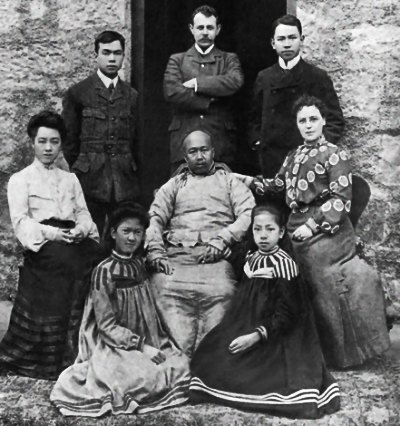
Group picture probably taken when Kang Youwei (center) was in the United States in 1907. His second daughter, Kang Tongbi, then a student at Barnard College, is seated on Kang's right. Behind her is Luo Chang, then studying at Oxford University, UK. Image by Unknown ➚ available under a Creative Commons License ➚
5. A recent day of commemoration has been created on December 13th, which event does it mark?
Birth of Xi Jinping
Tangshan earthquake
End of civil war
Nanjing massacre
The 'Nanjing massacre' of 13th December 1937 was when many people were raped and slaughtered; it is still a sore point in Sino-Japanese relations.
An alternative capital to escape the summer heat was built at Shangdu (named ‘Xanadu’ in Samuel Taylor Coleridge's famous poem) on the Mongolian plain and the whole Mongol Imperial court moved from Beijing (then called Dadu) to Shangdu every summer.
7. The Great Leap Forward was launched by Mao Zedong in which year?
1954
1958
1965
1950
The Great Leap was intended to catapult China into a modern industrial era in just five years. Unfortunately it failed and led to mass starvation.
8. Which city in central China was important in the foundation of the Republic of China?
Nanyang
Nanchang
Wuchang
Changsha
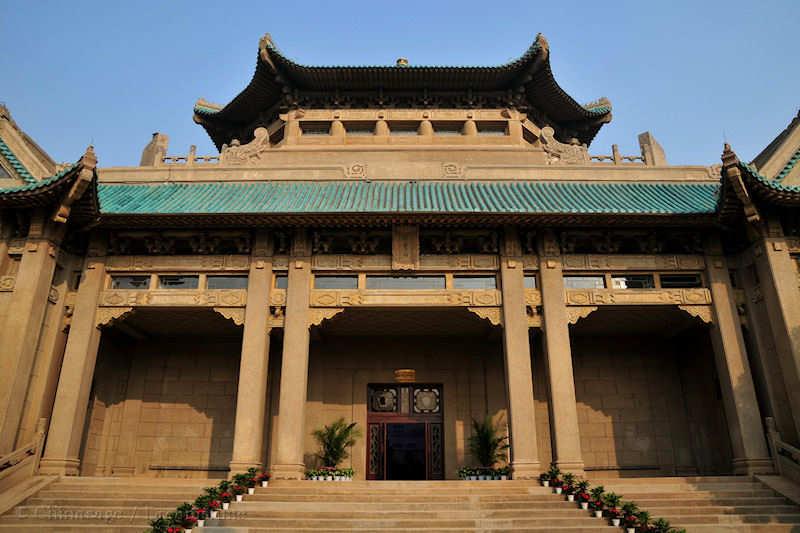
The Wuchang Uprising of 1911 led by Sun Yatsen marked the start of the revolution that created the Republic of China and it is commemorated at Wuchang - now part of Wuhan .
9. Port Arthur was an important treaty port occupied by Japan (1894) and then by Russia (1895), where is it located?
Zhejiang
Guangdong
Xinjiang
Liaoning
Port Arthur now named Lushun, is located at the tip of the Liaoning peninsula.
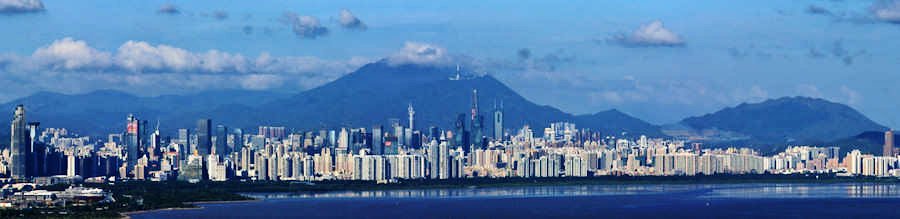
Whole city view of Shenzhen, Guangdong. 5 November 2012
Photo by Xublake, available under a Creative Commons license ➚.
Shenzhen was the first Special Economic Zones (SEZ) in Deng's economic reform program.
10. Which foreign leader planned to conquer China in 1404?
Mahmud Shah Tughluq
Tamerlane
Oljei Temur Khan
King Philip the Bold
Tamerlane (aka Timur) died of a fever in 1405 as he prepared to conquer China. He believed he was descended from Genghiz Khan and had similar ambitions.
11. Yu the Great was the founder of which dynasty?
Sui
Xia
Han
Shang
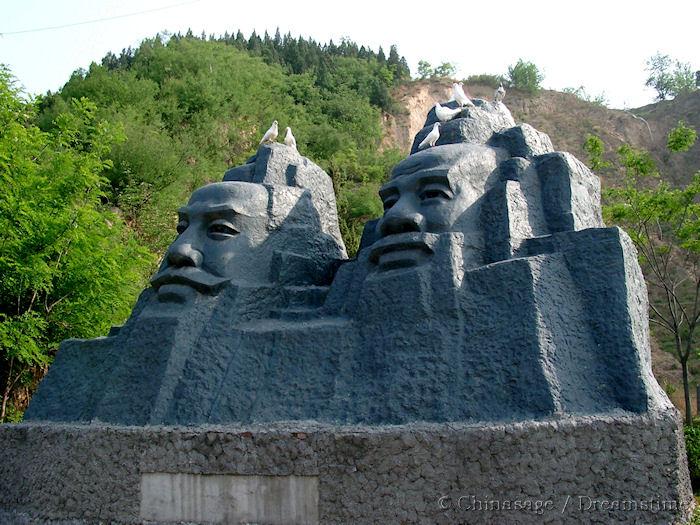
Yu the Great's reign (c. 2123 - 2025 BCE), which marked the start of the Xia dynasty, began the recorded history of China. Yu's first task was to repair the kingdom after a great flood, which some have connected this with the Biblical flood of Noah.
12. In 2CE the population of China was about how many?
100 million
58 million
35 million
2 million
The first accurate population statistic comes from as long as go as 2CE in the Han dynasty. It gives the population as 57.7 millions in 12.4 million households.
13. The skins of rare white stags were used for what in the Han dynasty?
elixir of immortality
currency
footwear
headwear
Emperor Wudi used this desperate measure to try to bring an end to the production of counterfeit metal coins. He forced the members of the elite to swap huge numbers of coins for small portions of stag skin. The measure proved ineffective.
14. Which European nation established the first official trading post in China?
Germany
Britain
Portugal
Spain
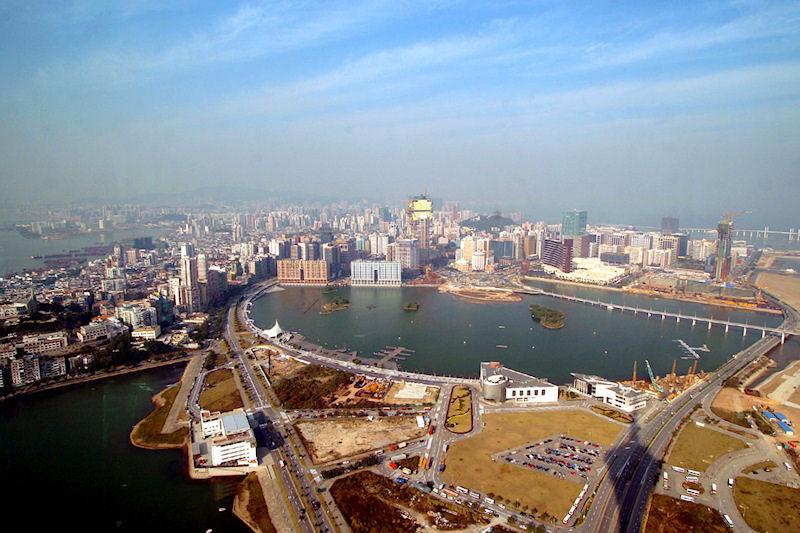
Portugal established a presence in 1557 at Macau. At the time Portugal was a leading sea power (with Spain) and set up trading posts throughout much of the Far East.
15. In the One Child policy government employees were expected to put off marriage until which ages?
30 for men and women
25 for men, 20 for women
25 for men and women
30 for men, 25 for women
By 1982 China's population had grown to 1,008 million - doubling in just 30 years - and the profile showed that many young women born after the foundation of the PRC were now at child-bearing age (46% of people were under 20 years old). The One Child Policy was introduced in 1980 to cut back the alarming growth of population that seemed likely to cause mass starvation.
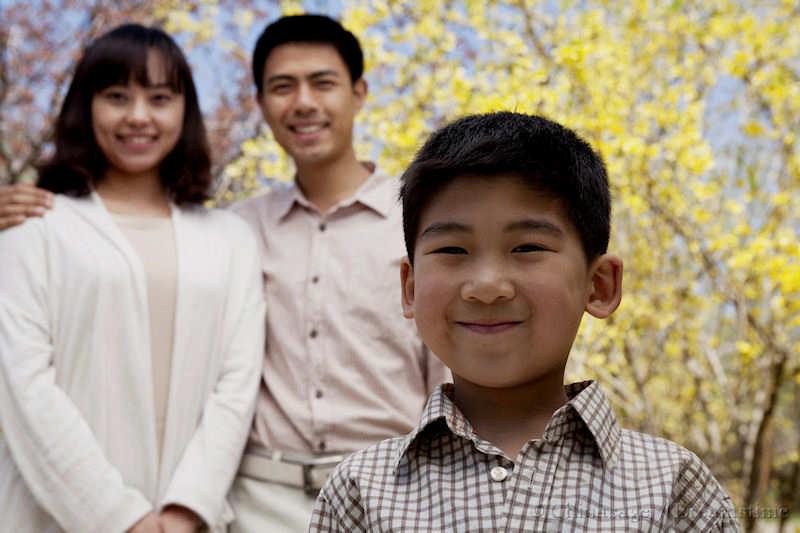
A family in a park
16. The Mongol dynasty ruled the whole of China for about how long?
200 years
89 years
20 years
235 years
Although the Mongols declared themselves Emperors of China in 1271 it took until 1279 to take over southern China. They ruled until 1368 so that is 89 years.
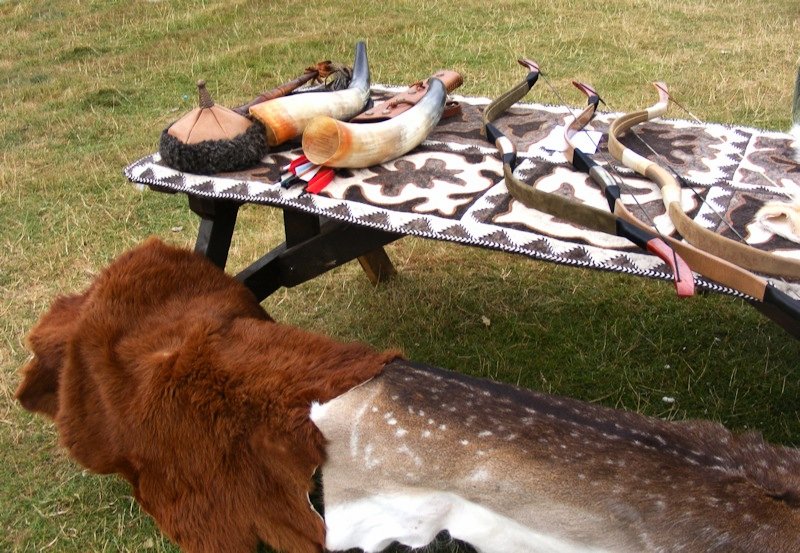
Bows and furs of Mongolia. Image by Rob Stallard
17. What proportion of Beijing's cultural relics were destroyed in the Cultural Revolution?
15%
72%
62%
83%
During the Cultural Revolution (1966-76) in Beijing 72% of the cataloged relics were smashed to dust and 37% historic sites flattened. At this time it was dangerous to possess or like anything ‘foreign’ or ‘old’.
18. The 1911 revolution and the Japanese invasion of Manchuria had which common initiating factor
opium
corruption
railways
famine
It was the nationalization of railways that fueled the revolution of 1911, particularly in Sichuan. Later in 1931 Japan needed an excuse to send in troops to further extend her control over this territory. On September 18th 1931, at Shenyang (Mukden), Japanese troops put a small bomb under the railway track and blamed the explosion on Chinese ‘terrorists’. With widespread international sympathy Japan was able to invade Manchuria and install Puyi as puppet Emperor of Manchuria within six months.
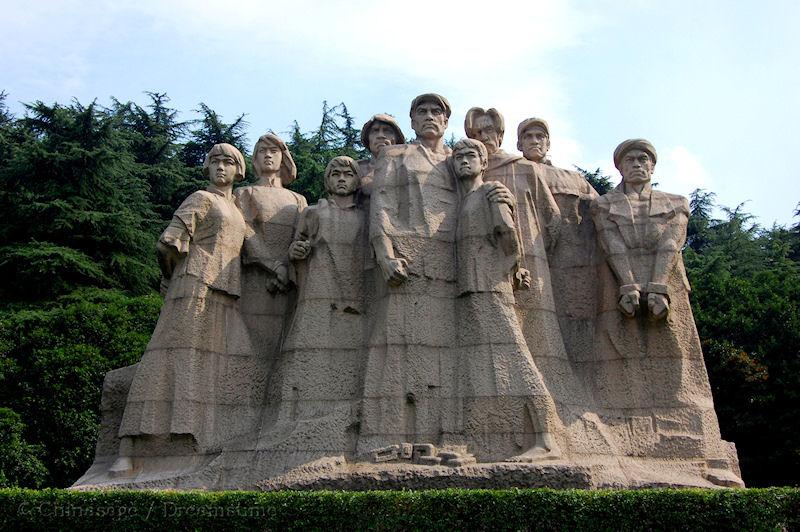
Yuhuatai Memorial Park of Revolutionary Martyrs, Nanjing, Jiangsu
19. China's main foreign trade in the 17th and 18th century was with which country?
Netherlands
Spain
Portugal
France
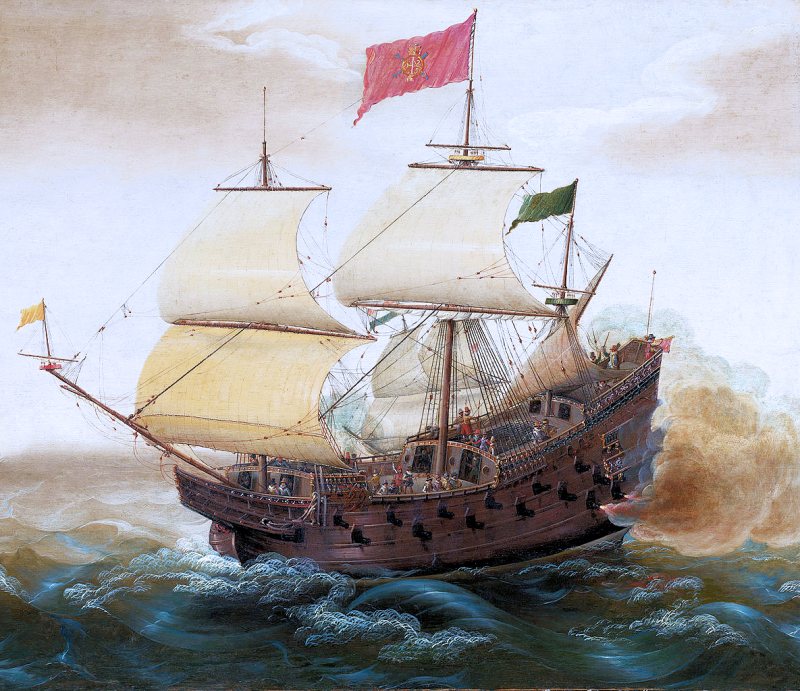
The main trade with Europe in the 17th and 18th centuries was through Spanish ruled Philippines. A lucrative trade in silk and porcelain grew across the Pacific to Mexico. Manilla became a very rich trading port in the galleon trade with Acapulco, from there goods were transshipped and made their way overland to Mexico City and then by ship to Europe over the Atlantic.
20. The Panthay rebellion in 1856 was led by which group?
Tibetans
Mongols
Muslims
Buddhists
The trigger point of the Panthay rebellion (1856-1873) was in distant Yunnan but revolts also occurred in Muslim dominated north-western China. At least a million Muslims died in the revolt which was savagely suppressed. It overlapped the better known and even more bloody Taiping Rebellion.

 Tough quiz about the history of China(4).